

At some point every art lover faces the same fork in the road, whether buying for their own wall or as a gift: should it be an original, one-of-a-kind work, or a limited edition print? It is one of the most common questions a gallery hears, and it deserves a real answer rather than a sales pitch. The honest response is that neither is “better” in the abstract. They are different kinds of ownership, suited to different budgets, purposes, and temperaments, and the right choice depends entirely on what you want the piece to be and do. Understanding the trade-offs turns an anxious decision into a confident one.
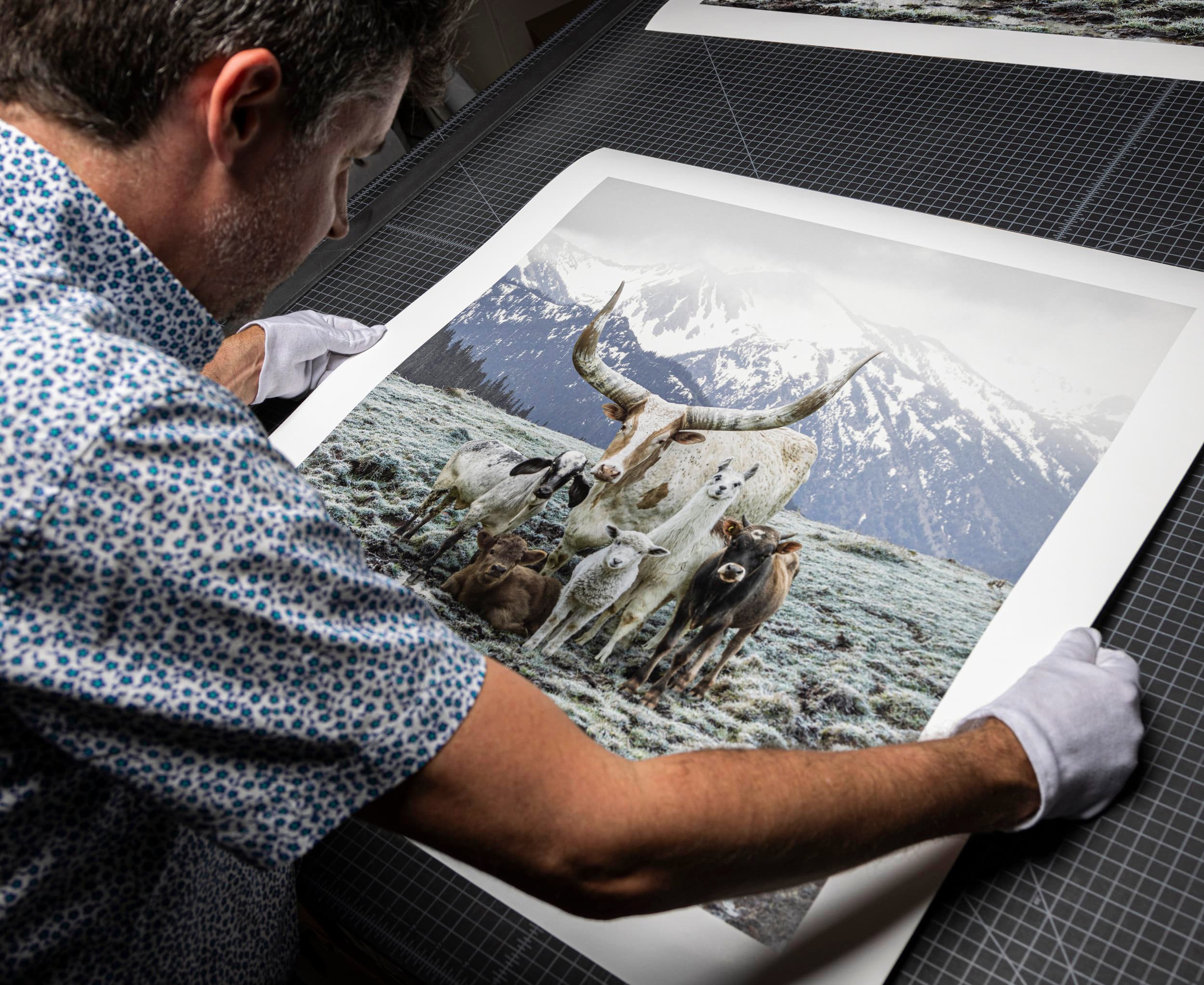
Begin by being clear about what each actually is. An original is a unique work — an oil painting, an acrylic canvas, a watercolour, a drawing, a one-off — that exists in a single example. There is exactly one, and when you own it, you own the whole of it. A limited edition print is one of a stated, finite number of authentic impressions. As the earlier essay on limited editions explains, this may be an original print pulled from a hand-made matrix like an etching or silkscreen (in which case each impression is itself an original artwork), or a signed, limited reproduction such as an archival giclée of an existing image. In either case the print is a legitimate, artist-endorsed way to own the work — but you own one of several, not the only one. A good gallery will always tell you which kind of print you are considering, and that distinction should inform the price you expect to pay.
The most obvious difference is price, and it is the reason prints exist as a category. An original concentrates all of the artist’s labour and the work’s uniqueness into a single object, and it is priced accordingly. A print spreads the artist’s effort across an edition, so each impression costs a fraction of what a comparable unique work would. This is genuinely liberating: prints put real, artist-made work by makers you admire within reach of ordinary budgets. If you love a particular artist but a unique canvas is beyond you, a signed print may let you own authentic work by that very hand for a small share of the cost. Access, not compromise, is the point.
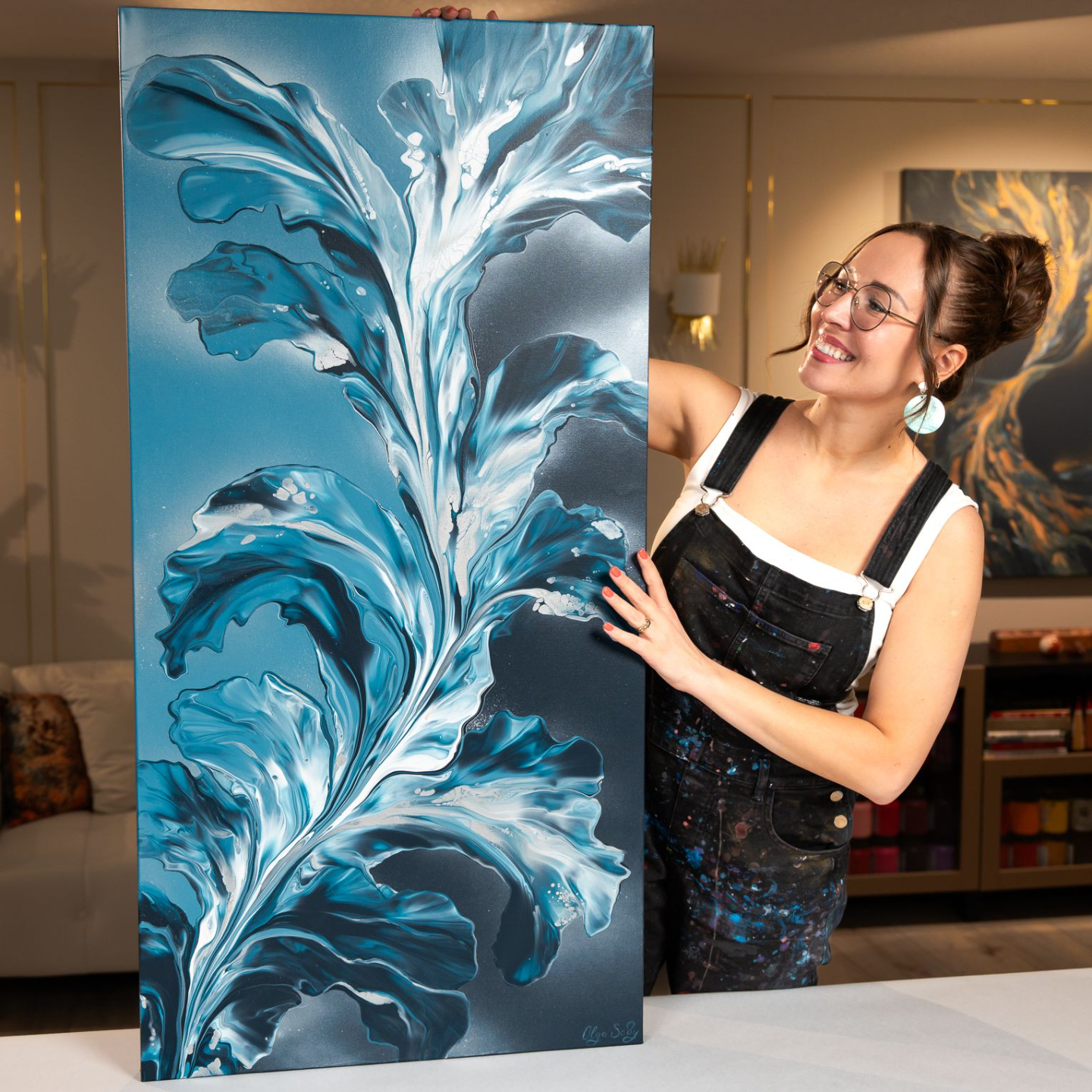
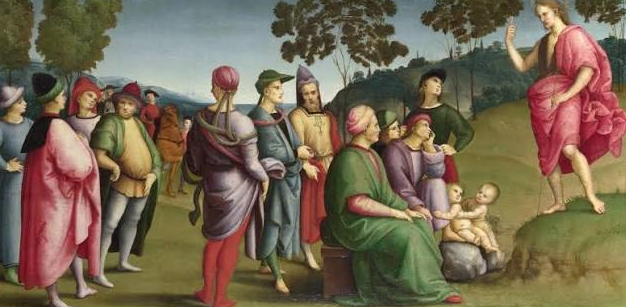
Beyond price, a few honest considerations separate the two. Uniqueness and exclusivity favour the original: if it matters to you that no one else in the world owns your piece, only an original delivers that. Physical presence often favours the original too — the actual surface of a painting, its brushwork, impasto, and the way light moves across real paint, is something no print fully reproduces, as the essays on Van Eyck’s glazes and Rembrandt’s built-up highlights make vivid. If the tactile reality of paint is what moves you, an original canvas gives you something a print cannot. On the other side, prints offer accessibility, and often a particular kind of graphic beauty native to the medium — the flat vivid colour of a silkscreen, the clean line of an etching — that is not a lesser version of a painting but its own aesthetic. As for value over time, both can appreciate, but the two behave differently: originals by a sought-after artist tend to hold and grow in value most strongly, while prints from small, well-managed editions by good artists can also appreciate, especially as the edition sells out. No one should buy either purely as an investment, but it is fair to say uniqueness generally carries the greater long-term potential.
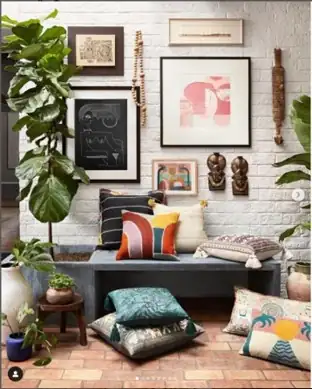
Now bring these principles to the two real situations. Choosing for your own home, let the wall and your life guide you. Think first about the space: the scale of the wall, the light it gets, the colours already in the room, and the feeling you want the piece to bring — calm, energy, warmth, drama. Buy what you genuinely love and will be happy to see every day, not what you think you ought to want; you are the one who will live with it. Let your budget decide the category without guilt — a superb print you can afford will give you more daily pleasure than an original you had to strain for. If the physical magic of paint is what draws you, prioritise an original, even a small one. If a particular image or artist is what you love, a fine print of it may serve you perfectly. And trust your eye over any rule: the best piece for your home is the one that still gives you a small lift when you walk past it a year later.
Choosing as a gift shifts the emphasis toward the recipient and the occasion, and here prints often shine. Because a print is more affordable, it lets you give genuine, signed, artist-made work within a sensible gift budget — a real artwork rather than a mere object, as the essay on art as a gift argues. Choose for their taste and their walls rather than your own, and consider the practicalities: a print, often sold matted and ready to frame, is easy for a recipient to hang and to fit into their home. For a truly significant occasion — a wedding, a milestone, a once-in-a-lifetime thank-you — an original carries a weight and singularity that can be exactly right, a unique thing for a unique moment. And a signed, numbered limited print strikes a lovely middle note: personal, authentic, collectible, and considerate of the fact that the recipient, not you, will live with it.
It helps, finally, to retire the anxious idea that choosing a print over an original is somehow settling for less. Most real collections, including distinguished ones, are mixtures — a few originals that the collector stretched for, alongside prints that let them live with a wider range of artists and images than any budget could otherwise afford. A wall that pairs a beloved small original with several fine signed prints is not a compromised wall; it is how most people who love art actually build a home around it, adding pieces over years as they find them and can afford them. Prints also lower the stakes of experimenting with your own taste: because they cost less, you can take a chance on an artist or a style you are still getting to know, and discover what you truly respond to without a daunting outlay. Seen this way, originals and prints are not rivals but partners in a single, evolving relationship with art — one that grows richer precisely because it need not be all-or-nothing.
A few practical safeguards apply to both, and a reputable gallery will welcome the questions. For any print, ask whether it is an original print or a reproduction, what the edition size is, whether it is signed and numbered, and what inks and paper were used — pigment inks on acid-free stock, as the giclée essay explains, are what you want for longevity. For an original, ask about the medium, the artist, and any documentation of provenance. In every case, insist on a certificate of authenticity or a clear invoice describing exactly what you are buying. These are not signs of distrust; they are the normal courtesies of the art world, and they protect the pleasure of ownership.
In the end the choice is less a problem to solve than a matter of knowing yourself and the moment. Original or print, unique or edition, the goal is the same: to bring a piece of genuine art into a life, where it will be seen, loved, and lived with for years. Choose the one that fits the wall, the budget, and the heart, and you will have chosen well.