
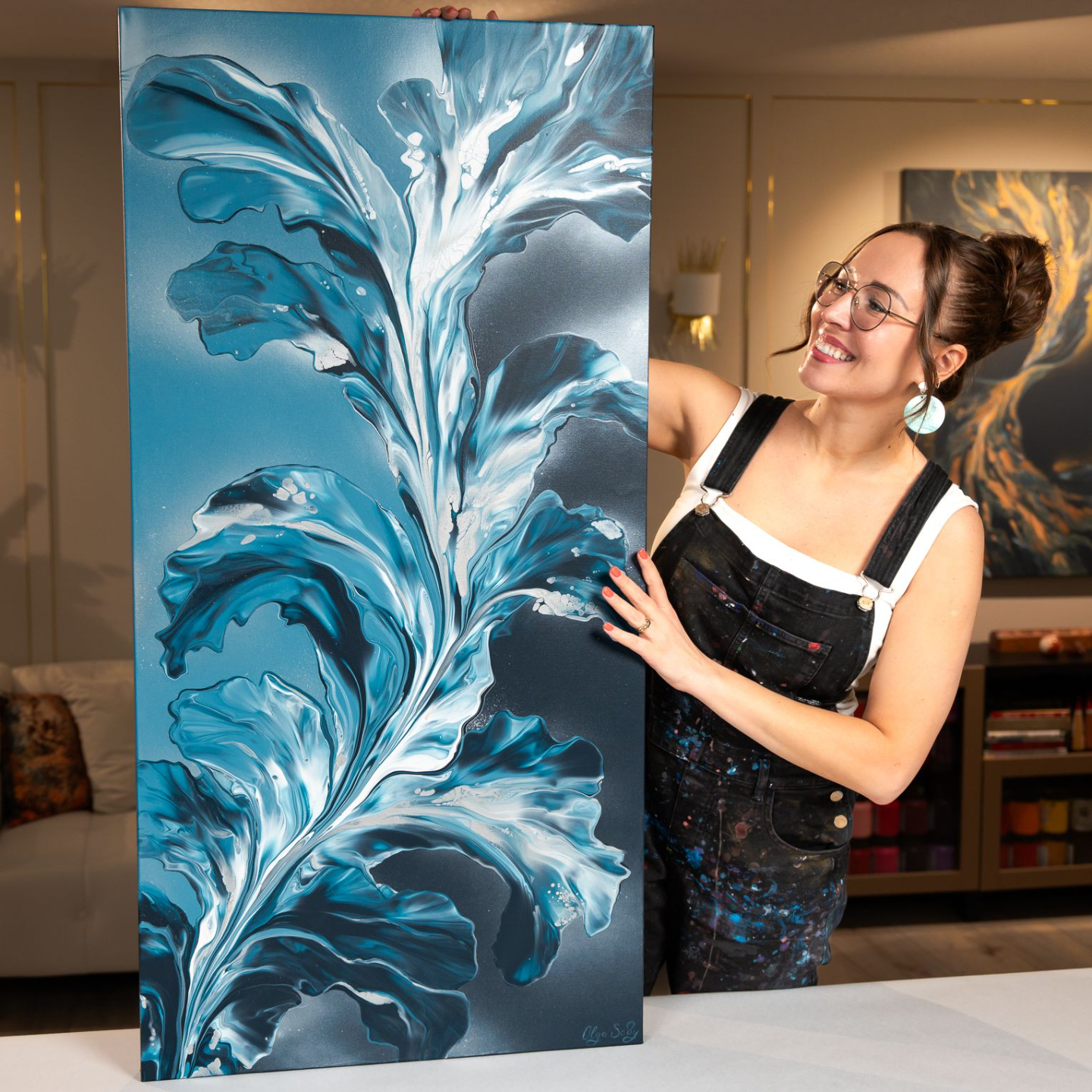


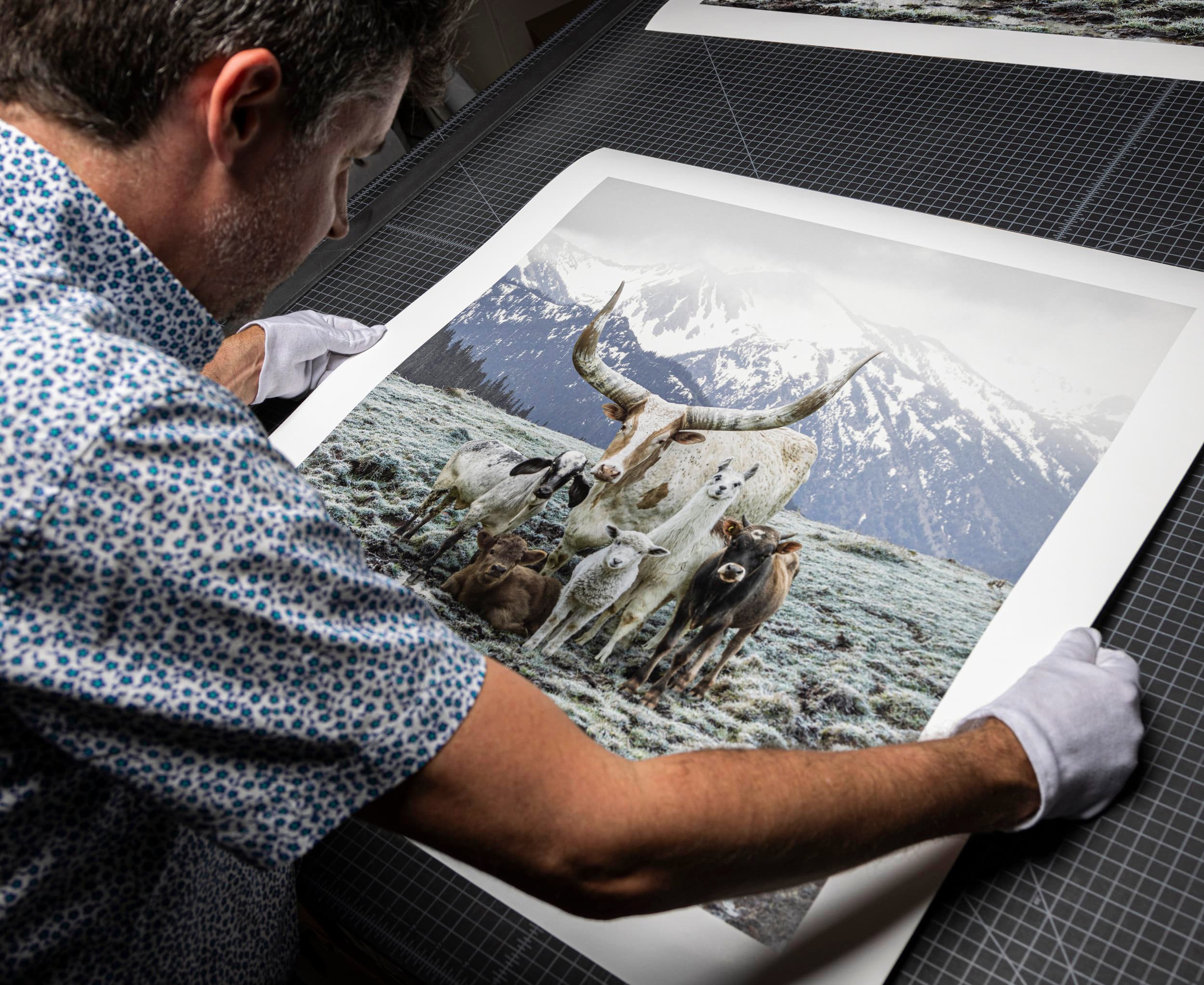


We give a great many things as gifts and forget most of them within a year. A scarf, a bottle, a gadget — pleasant in the moment, then absorbed into the ordinary churn of stuff. Art is different, and the difference is worth thinking about, because it explains why a small print, an art card, or a modest gallery object can be one of the most meaningful presents you ever give. Art is one of the few gifts a person lives with. It goes on a wall or a shelf and is seen every day for years, quietly folding the giver and the occasion into the texture of someone’s home. A well-chosen piece of art does not get used up. It accrues meaning.
The instinct to bring back something beautiful from a meaningful place is ancient and universal, and the small artworks a gallery offers are the considered, grown-up version of that instinct. The word “souvenir” comes from the French se souvenir, “to remember” — a souvenir is, literally, a thing that helps you remember. Most tourist trinkets do this badly; they are generic, made for no one, and remembered by no one. A small original print or an art card, by contrast, carries the specific character of a place, an artist, a moment. Long after a trip or an occasion, a little framed print on the wall still says I was there; this meant something, in a way a fridge magnet never will. It is a memory you can look at.
There is real psychology behind why a lived-with artwork outlasts other gifts in a person’s affections. Most presents are consumed, worn out, or quietly superseded; their emotional charge fades on roughly the same schedule as their novelty. Art works differently because it enters the daily visual environment and stays there. Each time the recipient glances at the little framed print above the desk, they re-encounter it, and over months and years those repeated encounters knit the object — and the person who gave it — into the fabric of the home. Psychologists who study wellbeing often note that experiences and meaningful, identity-linked objects give more lasting satisfaction than generic material goods, and a chosen artwork is precisely such an object: not a commodity but a small, specific thing tied to a person, a place, and a moment. It keeps giving because it keeps being seen.
Part of what makes small art such a good gift is precisely its scale and its price. Not everyone can, or wants to, spend heavily on a major painting, and a small format removes that barrier without sacrificing the essential thing — that the gift is genuine art, made by an artist, chosen with care. A signed and numbered small print offers real originality and the pleasure of ownership at an accessible price. An art card — a beautifully printed card bearing an artwork — can be sent through the post and later framed, functioning as both message and keepsake. A modest gallery object — a piece of studio ceramic, a small sculpture, a hand-printed textile — brings the presence of a made thing into daily life. None of these demand a collector’s budget, and all of them share the qualities that make art such a resonant gift: they are personal, lasting, and beautiful.
There is a thoughtfulness that giving art signals, and recipients feel it. To choose a piece of art for someone, you have to think about them — their taste, their walls, the colours they live with, the images that would move them. That act of attention is legible in the gift. Handing over an artwork says I noticed who you are and found something made for that person, which is a warmer message than almost any generic present can carry. And because art is tied to the person who made it and often to the place it came from, the gift carries a little constellation of stories — the artist, the studio, the technique, the gallery where you found it — that you can share along with the object. A gift with a story is remembered; a gift you can explain is treasured.
Small art also has a quiet advantage that seasoned givers come to appreciate: it grows into a home rather than crowding it. A large object imposes; a small print or a lovely card finds its place easily, on a desk, a bookshelf, a narrow stretch of wall, a bedside table. It does not demand that the recipient rearrange their life around it. Over time these small pieces often become the most looked-at things a person owns, precisely because they are at eye level in the intimate corners of a home. And they can be the beginning of something — many committed collectors trace their love of art to a single small print received as a gift, the piece that taught them how good it feels to live with real art on the wall.
For the giver who wants to choose well, a few gentle principles help. Favour the recipient’s taste over your own; the point is a piece they will love to see every day, which may not be the piece you would hang. Consider where it might live and let that guide the scale and the palette. Lean toward images with a personal thread — a place you shared, a subject they care about, an artist whose story will mean something to them. And do not underestimate the power of presentation: a small print, thoughtfully matted and ready to frame, or a card chosen and written with care, turns an affordable object into something that feels considered and complete. A gallery can help with all of this, which is part of what a good gallery is for.
Small art suits an unusually wide range of occasions, which is part of its quiet versatility as a gift. For a wedding or an anniversary, a print chosen to mark the couple’s shared taste becomes a fixture of the home they are building. For a graduation, a new job, or a move, a small artwork marks a threshold and travels with the person into the next chapter. For a bereavement or a difficult season, a gentle, beautiful image can be a more eloquent gesture of care than words. As a host gift, a thank-you, or a token brought back from travels, a card or small print says more than the usual bottle or box of sweets, and lasts far longer. Even for children, a first piece of real art — a small animal print for a nursery wall — can begin a lifelong relationship with looking. Because art carries meaning without needing to announce it, it fits solemn and joyful occasions alike, adapting its message to the moment and the recipient.
There is a broader truth underneath all of it. In a culture awash in disposable objects, giving art is a small act of resistance in favour of permanence and meaning. It says that some things are meant to last, to be looked at, to be kept. A small print or a gallery object costs no more than many forgettable gifts, but it belongs to a different category entirely — the category of things people still have, and still love, decades later. When you give art, you are not really giving an object. You are giving a daily encounter with beauty, and a lasting reminder of the person who chose it. That is why, of all the presents on offer, a piece of art from a gallery so often turns out to be the one that is remembered.